Acency Title: Barifa Sağlık ve Turizm Travel Agency
Botox treatment is an injection-based procedure developed to reduce the appearance of wrinkles. The substance called botulinum toxin limits the level of muscle contraction. This limitation allows the skin to appear smoother. Botox can also be applied to different areas. Examples include the eye area, neck lines, fine wrinkles around the nose, and even lines above the lips. In addition, it is also considered to help relax the jaw muscles in individuals who clench their teeth.
For excessive sweating complaints, it can also be applied to the underarms or palms with the aim of regulating sweat gland activity. Local anesthesia is not required during the procedure. The duration of the application may vary depending on the number of areas to be treated. The injections, performed using micro-needles, leave no trace after the procedure. It is recommended not to lie face down for a few hours after the application. It is important not to touch the injected area on the first day to prevent possible complications.
What Are the Details of Botox Treatment?
The Botox procedure, which is applied with the aim of reducing the appearance of wrinkles that form over time in the facial area, is an injection-based approach. The botulinum toxin used in this procedure temporarily slows down nerve-muscle transmission. When the muscles relax, the lines that accumulate on the skin surface become less noticeable. This is particularly effective for forehead lines, frown lines between the eyebrows, and crow’s feet around the eyes.
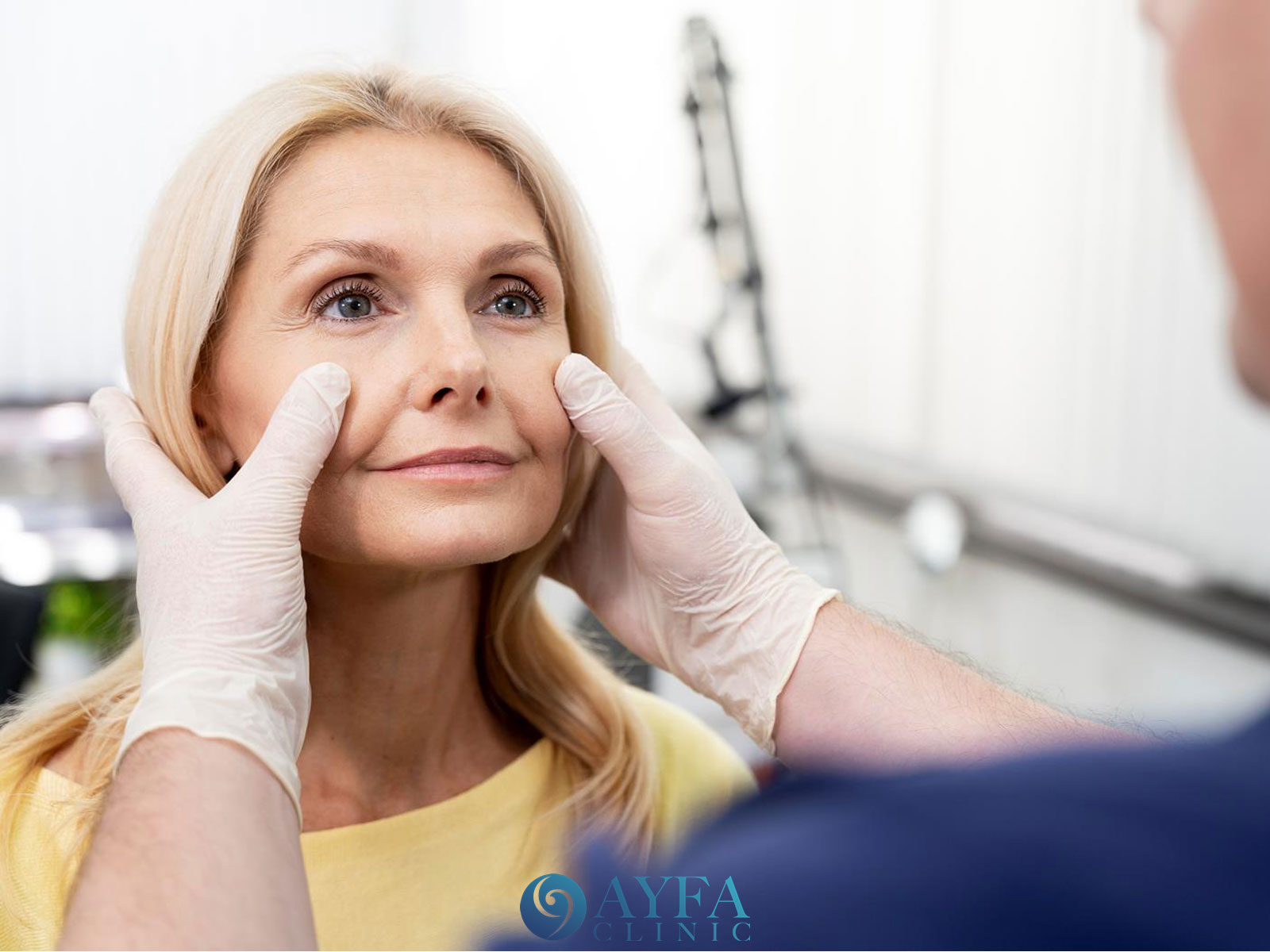
Botox treatment is planned according to the individual’s facial structure. The intensity of facial muscle movement is analyzed before the procedure. Injection points are determined based on the degree of muscle contraction. The injection procedure, performed using micro-needles, is usually completed in a few minutes. Pain is minimal. Therefore, general or local anesthesia is not required during the procedure.
After the application is completed, it is recommended to follow certain rules. Some of the recommended points are not to apply pressure to the face, not to rub the injection areas, not to tilt the head, and not to make excessive facial expressions. These precautions help increase the success of the procedure. Mild redness or swelling may occur in the injection area within the first day. These effects are temporary.
The effect of Botox may vary depending on muscle structure and individual metabolism. The duration of the effect may be longer in some individuals and shorter in others. Regular renewal of the application is important for the continuity of the effect. However, the frequency of application should be determined by a specialist. The application plan is carefully designed to prevent unwanted changes in muscle structure.
Areas of Application for Botox
Botox is used to reduce the appearance of wrinkles on the face. It is widely used to soften dynamic lines such as forehead lines, frown lines, and crow’s feet. These lines, which form over time due to facial muscle movement, become less noticeable when the mimic muscles are temporarily disabled.
This injection is also preferred in areas other than the face. It stands out as a supportive method for eliminating lines in the neck area. It also plays a role in reducing the orange peel appearance that forms on the chin. It can be applied to reduce the appearance of fine lines around the nose.
Individuals experiencing excessive sweating undergo injections aimed at reducing the activity of sweat glands in areas such as the armpits, palms, and soles of the feet. This procedure provides supportive relief, particularly for those who experience discomfort due to sweating in social situations. The substance, which affects the mechanism of sweat gland function, contributes to a reduction in sweat secretion by limiting excessive activity.
In individuals who grind their teeth, injections into the jaw muscles can prevent these muscles from working excessively. This method is used to control conditions such as teeth grinding during sleep at night. It also helps the jawline achieve a softer appearance.
Injections can also be planned to alleviate migraine attacks. Injections applied to specific points on the head, neck, and forehead can reduce nerve stimulation. This application contributes to reducing the frequency of attacks in some individuals.
Botox injections are also used in various situations to achieve facial symmetry. Applications aimed at correcting imbalances in facial expressions can be planned. In cases where aesthetic concerns arise, such as excessive gum visibility when smiling, injections targeting the relevant muscles are preferred.
Things to Consider During Botox Treatment
There are some important considerations to keep in mind before and after Botox treatment. Here are the key points to note:
- It is recommended to discontinue the use of blood-thinning medications prior to the procedure.
- There should be no active infection or skin problems in the area to be treated.
- The head should not be bent forward for at least four hours after the injection.
- Avoid strenuous physical activity for a period of time after the procedure.
- It is recommended not to apply pressure to the injection sites after the procedure.
After the procedure, care should be taken with the ingredients of personal care products used. It is beneficial to avoid products containing chemicals to prevent any sensitivity issues. Mild redness or swelling may occur at the injection sites. These effects usually resolve on their own within a short period of time.
Determining the appropriate dosage is crucial in procedures performed under the supervision of a specialist physician. The injection plan is developed by evaluating factors such as muscle structure, facial expression intensity, and age. Procedures performed without knowledge of the application area may lead to undesirable results.
Attention should be paid to facial expressions after the procedure. It is recommended to avoid straining the facial muscles for a certain period to ensure the injection effect spreads evenly. Avoiding direct exposure to sunlight can prevent reactions that may occur on the skin.
The control process should be monitored regularly, and any unusual effects that may occur after the application should be reported to a healthcare facility without delay. The duration of the injection’s effect may vary from person to person. Therefore, expert opinion is important for the timing of repeat procedures.